What Howard County’s Small Business Base Says About Its Future

Last week, we introduced HCEDA’s 2027-2029 Strategic Plan, prepared by Sage Policy Group, and walked through the eight strategies that will guide the county’s economic development over the next three years. From AI readiness to regional cooperation, the plan covers a lot of ground.
But one theme runs through nearly every part of it: Howard County’s small businesses.
More than nine in ten business establishments in the county have fewer than 50 employees, and that foundation is growing more diverse every year. It’s also why supporting the businesses here remains HCEDA’s top priority. The numbers tell an important story about who is building Howard County’s economy, what challenges they’re facing, and what it will take to help them grow.
A community of small businesses

According to U.S. Census Bureau data cited in the plan, businesses with fewer than five employees make up 54.4% of all establishments in Howard County. Establishments with 5 to 49 employees account for another 38.1%.
That entrepreneurial activity extends beyond traditional business establishments. In 2024, approximately 9.7% of the county’s employed residents were self-employed.
These businesses span a wide range of industries. Howard County has especially strong concentrations in professional, scientific, and technical services, where its employment concentration is nearly three times the national average, along with wholesale trade and construction. That mix creates opportunities for workers with a range of experience and educational backgrounds.
Women and minority-owned businesses are growing

Howard County’s business base is becoming more diverse, and it outpaces the state on key measures.
Women-owned businesses: In 2023, 24.8% of employer firms in Howard County were solely owned by women, up from 19.7% in 2017 and slightly above the statewide share of 24.0%. These firms account for 11.2% of jobs among businesses with employees.
Minority-owned businesses: In 2022, 32.2% of employer firms in Howard County were minority-owned, up from 26.2% in 2017 and well above the statewide share of 28.8%. These firms account for 13.1% of jobs among businesses with employees, compared to 8.8% statewide, and 11.0% of annual payroll, compared to 7.6% statewide.
The plan describes this growing base as an important foundation for inclusive economic growth: businesses that create jobs, build wealth, and expand opportunity across the community.
What business owners are facing
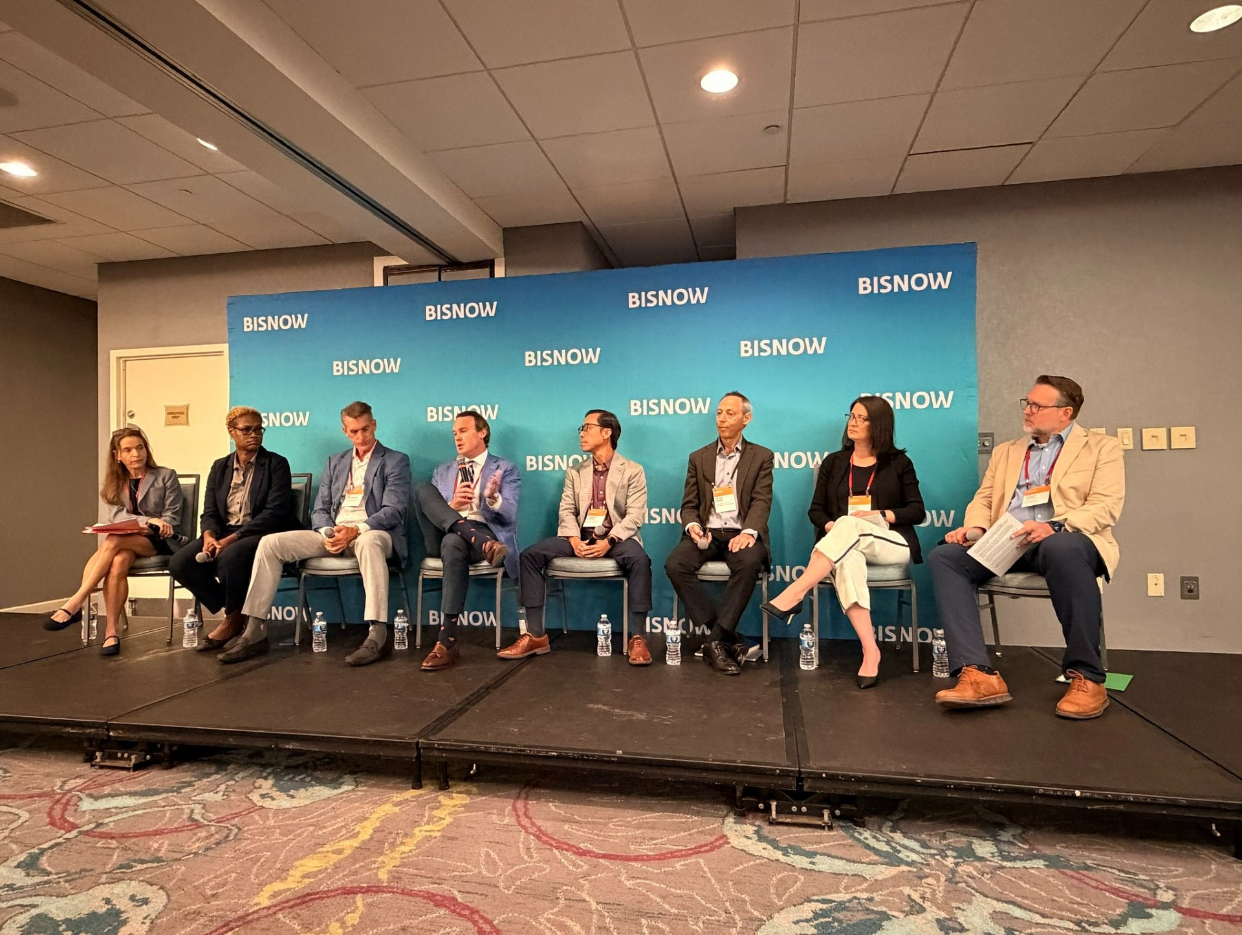
A growing and diverse business community doesn’t mean operating a business is getting easier. The strategic plan’s stakeholder survey highlights the pressures local business owners have faced over the past two years:
- Federal government uncertainty, including contract losses and procurement delays
- Rising costs for wages, fuel, utilities, rent, and insurance
- Hiring and keeping qualified workers
- Access to capital and cash flow
- Market visibility and connecting with customers
Stakeholders also called for stronger support for local, small, and minority-owned businesses, including more opportunities to compete for county contracts and community development projects.
Why business retention and expansion remain the top priority

The plan is clear: supporting the businesses already here remains HCEDA’s primary business development focus.
That direction comes straight from the community. When stakeholders were asked what Howard County should prioritize to increase economic vibrancy, business formation, expansion, and retention were the most frequently selected priorities. Minority business formation ranked third. And when asked what HCEDA’s primary role should be, the most common response was supporting small and local businesses.
Stakeholders also pointed to the services that have made the biggest difference. Networking and strategic connections ranked as the most effective HCEDA resource, followed by entrepreneurial advisory services and business assistance and support. The plan calls for sustaining all three.
It also calls for continued investment in the programs that help small businesses start and grow:
- The Maryland Innovation Center, whose membership grew 45% to 660 members by the end of FY2025
- BRITE programming, which expands access to entrepreneurial resources, including for federal workers exploring entrepreneurship
- Sector-focused programs like the Cyber Howard Accelerator, which graduated its first cohort of seven business owners in 2025
- Support for businesses that have relied on federal contracts as they pursue private-sector opportunities
The plan also emphasizes supporting businesses and industries that create jobs for residents across a range of educational backgrounds, including roles that do not require a bachelor’s degree.
What it means for the county’s future

A strong small business base is more than a statistic. It means Howard County’s economy is supported by thousands of businesses, entrepreneurs, and employers rather than relying solely on a handful of major companies. It creates opportunities for residents to build businesses, generate wealth, and contribute to their communities.
But maintaining that foundation requires more than celebrating its growth. Business owners need access to capital, customers, qualified workers, and the connections that help them navigate an increasingly uncertain economy. How well Howard County responds to those needs will help determine the strength and resilience of its economy in the years ahead.
HCEDA will track progress through measures including new business formation, total establishments, and the share of businesses owned by minorities. The goal is simple: make Howard County the best place in the region to start, run, and grow a business.
Get connected
Whether you’re launching a business or ready to expand, HCEDA can help. Learn more about resources for small businesses here, and read the full 2027-2029 Strategic Plan here: HCEDA 2027-2029 Strategic Plan.